Value Added Tax (VAT) on alcohol in the UK is a consumption tax charged at the standard rate of 20% on all alcoholic beverages, including beer, wine, spirits, and cider. Alcohol sold in supermarkets, pubs, restaurants, and through imports is subject to UK VAT under regulations administered by HM Revenue and Customs.
Alcoholic products also incur Alcohol Duty, a separate excise tax calculated according to alcohol by volume (ABV) and product category. VAT on alcohol for retail and hospitality purchases is included in the final sale price, meaning consumers pay both 20% VAT and strength-based Alcohol Duty within the advertised cost. Standard-rated UK alcohol taxation ensures consistent treatment across on-trade and off-trade sales channels.
If you sell alcohol as part of your business, running a pub, a restaurant, an off-licence, or even an online drinks business, understanding how VAT and alcohol duty work together is important for getting your VAT returns right.
What is VAT on Alcohol and How Does It Work?
VAT (Value Added Tax) is a tax charged on the sale of goods and services in the UK. It is collected by businesses on behalf of HMRC and then paid over through VAT returns.
When it comes to alcohol, HMRC applies the standard 20% VAT rate. This means that 20% of the price you charge (or pay) for an alcoholic drink goes to HMRC as VAT.
Here is the important thing to understand: VAT on alcohol is charged on top of the duty-inclusive price. In other words, Alcohol Duty is added to the product first, and then VAT is calculated on the combined total of the product price plus the duty. This is sometimes called a “tax on a tax”, and it is why alcohol can feel so expensive in the UK compared to other countries.
A simple example: Take a 1-litre bottle of vodka at 40% ABV. The Alcohol Duty on that bottle is worked out first based on its strength. Once duty is added to the base product cost, VAT at 20% is then applied to the full amount. The price you see on the shelf includes both.
Is Alcohol Zero-Rated or Exempt from VAT?
Neither. Alcohol is not zero-rated and not exempt from VAT in the UK.
This is one of the most common points of confusion for business owners. Here is how the three categories work:
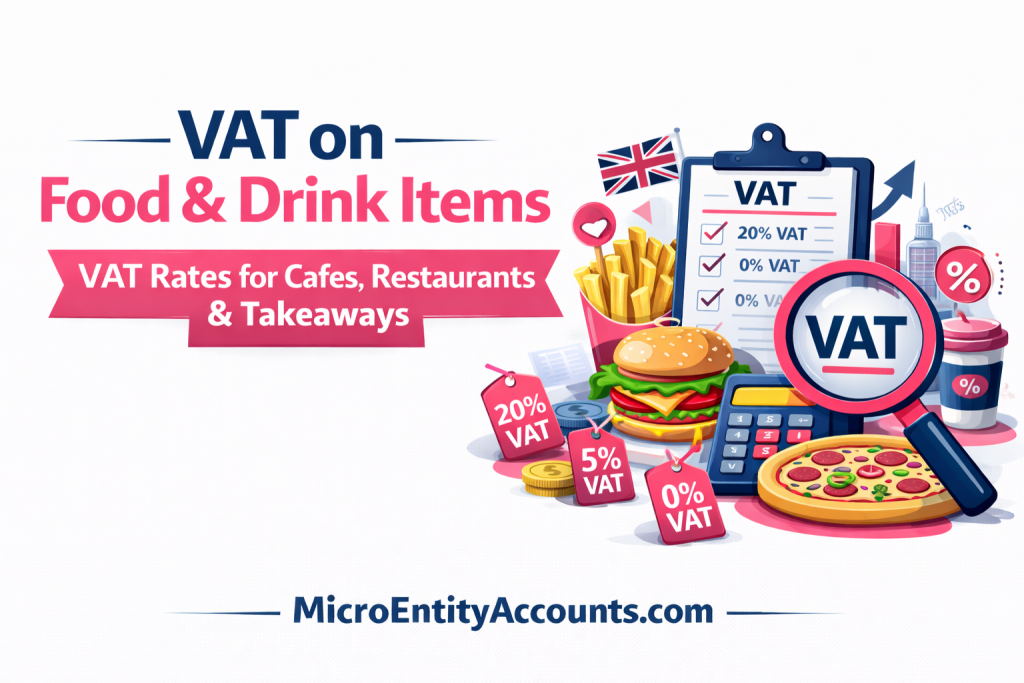
Standard-rated (20%): This is where alcohol sits. Full VAT applies, and if you are VAT-registered and sell alcohol, you must charge 20% VAT on your sales.
Zero-rated (0%): These are goods that are technically VAT-taxable but at a 0% rate. Most basic food and non-alcoholic drinks fall into this category. However, alcohol is specifically excluded from zero-rating.
Exempt: VAT Exempt goods are outside the VAT system altogether, such as financial services, insurance, and some medical services. Alcohol does not fall here either.
So to be very clear: alcohol is standard-rated for VAT purposes at 20%, and there are no exceptions based on the type of drink or where it is sold. A pint of lager at a pub, a bottle of prosecco from a supermarket, and a case of gin from an online retailer are all subject to 20% VAT.
How Much Is VAT on Alcohol in the UK?
The VAT rate on alcohol in the UK is 20%, the standard rate. This has been the rate for many years and there are no current plans by HMRC to change it.
To understand how much VAT is in the price of an alcoholic drink, you can use this straightforward calculation:
VAT amount = Final price ÷ 6
So if a bottle of wine costs £12 including VAT, the VAT portion is £2 (£12 ÷ 6 = £2). The rest – £10 – covers the pre-tax price and any duty.
This is useful to know if you are a VAT-registered business reclaiming input VAT, or if you are checking the output VAT on your alcohol sales when filing your VAT return.
Does the VAT Rate Change Depending on the Type of Alcohol?
No. Whether it is beer, cider, wine, spirits, or ready-to-drink (RTD) products, the VAT rate stays the same at 20%. The Alcohol Duty rate changes depending on the type and strength of the drink, but VAT does not.
What Is the Alcohol Tax in the UK in 2026?
When people ask about alcohol tax in the UK, they are usually referring to two things together: VAT and Alcohol Duty. Let us look at both as they stand in 2026.
VAT on Alcohol in 2026
VAT remains at the standard rate of 20% and applies to all alcoholic drinks.
Alcohol Duty Rates from 1 February 2025
From 1 February 2025, the government increased the main rates of Alcohol Duty in line with inflation. The new system, which has been in place since August 2023, works on a strength-based model, the stronger the drink, the higher the duty. Here are the key rates:
- Products below 3.5% ABV: £9.61 per litre of pure alcohol
- Beer between 3.5% and 8.5% ABV: £21.78 per litre of pure alcohol
- Still cider at 7% ABV: £9.67 per litre of pure alcohol
- Products above 22% ABV (spirits like whisky, gin, vodka): £32.79 per litre of pure alcohol
These rates apply to non-draught products. Draught products sold in pubs, bars, and restaurants benefit from Draught Relief, which provides a reduced duty rate. This was introduced as part of the government’s support for the UK hospitality sector.
VAT is then applied at 20% on top of the duty-inclusive price.
What is the New Alcohol Duty System?
The UK’s alcohol duty system went through a major overhaul that came into effect in August 2023. Before this, different types of drinks, beer, wine, spirits, cider, were each taxed under their own separate rules, which made the system complicated and inconsistent.
The new system brought in one key principle: the stronger the drink, the higher the duty, regardless of what type of drink it is. This is known as the ABV-based (alcohol by volume) duty system.
Here is what changed:
One unified structure: Instead of separate rules for wine, beer, and spirits, all alcoholic products are now taxed based on their alcohol content. This removed a lot of the anomalies from the old system.
Draught Relief introduced: Qualifying draught products sold in pubs and bars benefit from reduced duty rates. This was designed to help pubs and the hospitality industry and ensure that the duty on a drink poured on draught is always lower than the same drink sold in a supermarket.
Small Producer Relief: Small producers of alcoholic products below 8.5% ABV may qualify for a reduced rate of duty, provided they produce below a certain volume threshold each year. This replaced the old Small Brewers Relief.
Wine transition: Wines between 11.5% and 14.5% ABV were initially treated as if they were 12.5% ABV for duty purposes during a transition period. From February 2025, the full ABV-based calculation applies across the board.

What Changed in February 2025?
From 1 February 2025, two things happened:
- The main Alcohol Duty rates increased in line with inflation (RPI), making non-draught drinks slightly more expensive.
- The administrative side of the system was fully reformed, creating a single monthly return for producers covering all alcoholic products.
The draught duty rates were actually cut to further support the hospitality sector.
What is Changing in February 2026?
At the Budget in November 2025, the government announced that all alcohol duty rates will increase again from 1 February 2026 in line with RPI inflation, which was set at 3.66%.
This means prices on non-draught alcoholic products will rise slightly again. The Small Producer Relief discounts will also be increased to maintain their relative value.
Does VAT Apply to Low-Alcohol and Alcohol-Free Drinks?
This is worth knowing if your business sells a range of drinks. Here is how it breaks down:
Drinks below 1.2% ABV do not attract Alcohol Duty. However, they are still subject to 20% VAT in most cases if they are sold commercially as a product alongside other standard-rated goods.
Alcohol-free drinks (0% ABV) may fall into the food and drink category, and non-alcoholic beverages can sometimes be zero-rated for VAT. However, this depends on the specific product and how it is classified. If you are unsure about a specific product, it is worth checking with your accountant or HMRC’s guidance.
The key point: removing the alcohol content does not automatically remove VAT from a product.
Can Businesses Reclaim VAT on Alcohol?
This is an important question for business owners. The answer is: it depends on the purpose.
Alcohol Bought for Resale
If you are a VAT-registered business that sells alcohol, a pub, restaurant, off-licence, or wholesaler, you can reclaim the input VAT on alcohol you purchase for resale. This is standard VAT recovery and works like any other business purchase.
Alcohol for Client Entertainment
If you buy alcohol to entertain clients or for staff entertainment purposes, you cannot reclaim the VAT. HMRC specifically blocks input VAT recovery on alcohol used for business entertainment. So if you take a client out for dinner and the bill includes wine, the VAT on that alcohol is not reclaimable.
Alcohol as a Business Gift
Similarly, if you give alcohol as a gift to a client or customer, VAT recovery is generally blocked unless the total cost of business gifts to a single person in a 12-month period stays below £50 (excluding VAT).
Alcohol for Staff as a Fringe Benefit
If alcohol is provided to employees as a benefit, say, at a Christmas party, the rules around VAT recovery are more nuanced and often linked to whether the event qualifies as a staff entertainment event. This is an area where it is worth getting specific advice.
What Does This Mean If You Run a Business That Sells Alcohol?
If you sell alcohol as part of your business and you are VAT-registered, you must charge 20% VAT on all alcohol sales. This applies to:
- Pubs and bars
- Restaurants and cafes that sell alcoholic drinks
- Supermarkets, corner shops, and off-licences
- Online alcohol retailers
- Wholesalers and importers
Your alcohol sales count as standard-rated supplies for VAT purposes, and you must include them in Box 1 of your VAT return.
If you are not yet VAT-registered but you are approaching the VAT registration threshold (currently £90,000 in taxable turnover in a 12-month period), alcohol sales count towards that figure because they are standard-rated.
What About Mixing Alcohol and Non-Alcohol Sales?
Some businesses sell both alcoholic and non-alcoholic drinks. For example, a café might sell coffee (zero-rated if it is a cold takeaway, or standard-rated if it is a hot drink) alongside cans of beer (standard-rated).
You need to track these separately in your VAT records and apply the correct rate to each type of sale. Getting this wrong is a common cause of VAT return errors.
A Quick Summary: VAT on Alcohol in the UK
Here is a straightforward recap for business owners:
VAT rate on alcohol: 20% (standard rate), applies to all alcoholic drinks regardless of type or where they are sold.
Is alcohol zero-rated or exempt? No. Alcohol is standard-rated at 20%.
Alcohol Duty: A separate tax on top of VAT, calculated based on the strength (ABV) of the drink. The stronger the drink, the higher the duty. Rates changed in February 2025 and changed again in February 2026.
Draught Relief: Reduced duty for qualifying draught products sold in pubs and bars. VAT at 20% still applies.
VAT recovery: You can reclaim VAT on alcohol bought for resale, but not on alcohol used for client entertainment or business gifts.
Need Help with Your VAT Returns?
If your business sells alcohol, or if you are unsure how VAT applies to your specific situation, it is easy to make mistakes on your VAT return. Getting it wrong can lead to penalties and interest from HMRC.
At Micro Entity Accounts, we help small business owners across the UK manage their VAT returns, stay compliant with HMRC, and avoid costly errors. Whether you are a sole trader, a limited company, or somewhere in between, we can take the stress of tax filing off your hands.
Get in touch today to find out how we can help, or get an instant quote for our VAT return service.
Disclaimer: The content on MicroEntityAccounts is for informational purposes only and do not constitute tax or financial advice. We recommend consulting a certified tax professional or the HM Revenue and Customs Dept (HMRC) for accurate guidance. MicroEntityAccounts is not responsible for any decisions made based on the information provided.